
Everyone Is Talking About AI. Marcus Tawanda Gora Thinks We're Missing the Point.
The conversation with Marcus Tawanda Gora emphasizes the importance of perspective in technology, particularly regarding AI and its impact on creators in Africa.
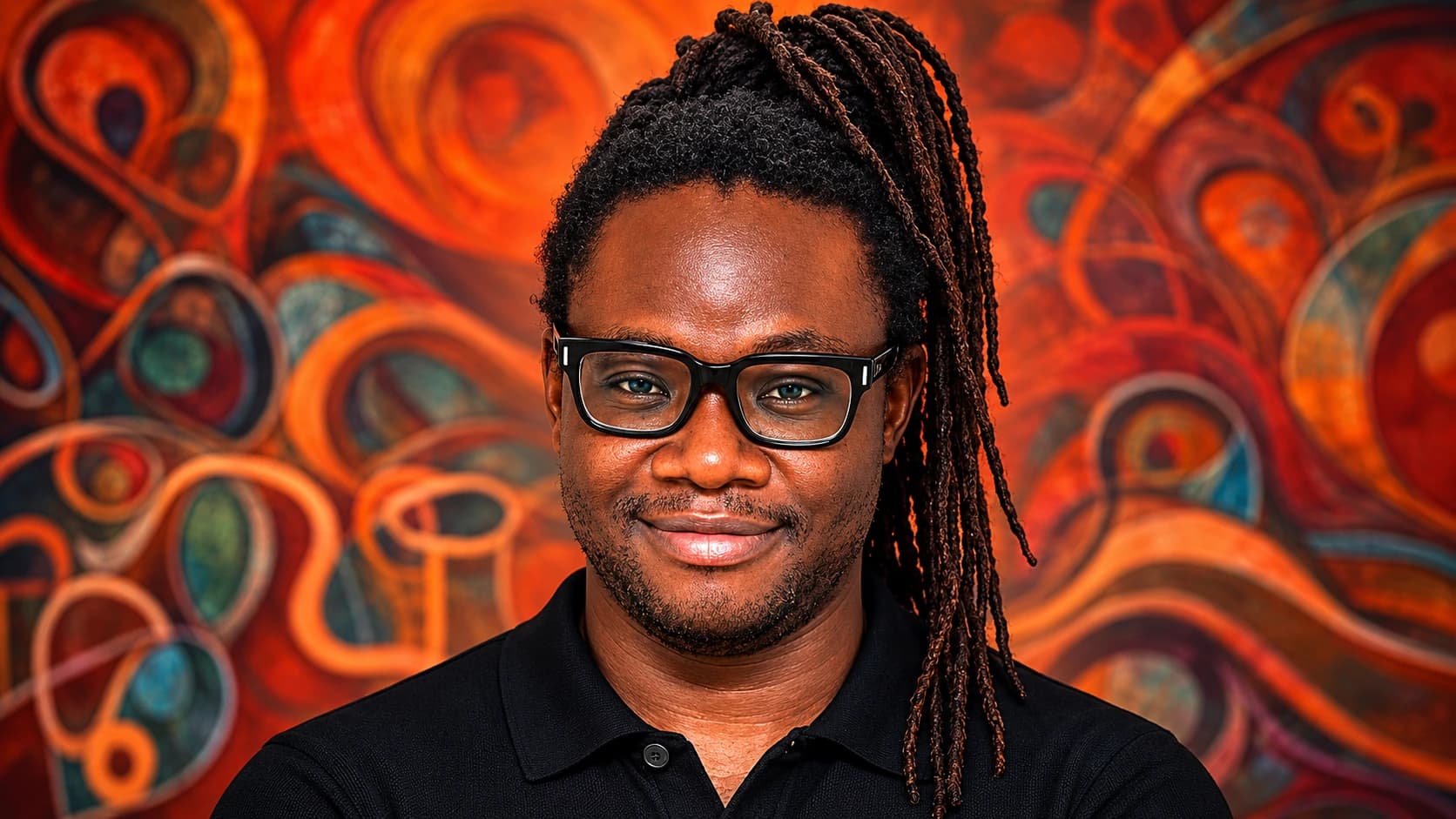
Written by
Battora
In Conversation with Marcus Tawanda Gora
Some conversations leave you with answers. Others leave you with better questions.
My conversation with Marcus Tawanda Gora belonged firmly in the second category.
I had initially approached the discussion from a place of curiosity. Like many people working in technology today, I have spent a great deal of time thinking about artificial intelligence, automation, and what these tools could mean for creators across Africa. Yet as the conversation unfolded, it became clear that the discussion was not really about AI at all. It was about perspective.
Marcus challenged me to think beyond the excitement that often surrounds emerging technologies. Over the last decade, there has always been a new innovation promising to transform everything. Blockchain. NFTs. 3D printing. Now AI. Each arrived with grand declarations about the future, accompanied by conferences, keynote speeches, investment rounds, and endless speculation about what was possible.
His observation was simple but profound: technology trends come and go, but the realities on the ground remain.
Africa's challenges are not always technological in nature. Sometimes they are infrastructural. Sometimes they are economic. Sometimes they are social. Before we ask what the newest technology can do, we must ask what problems actually need solving.
One example he shared stayed with me. While much of the world debates the latest advances in AI, many communities across Africa continue to innovate using tools that already exist. WhatsApp, for instance, has evolved far beyond a messaging application. In some cases, it has become a conference venue, a learning platform, and a community hub. Rather than waiting for ideal conditions, people have adapted existing technologies to fit their realities.
It was a reminder that innovation does not always look like invention. Sometimes it looks like adaptation.
As our conversation continued, we spoke about the creative industries and the challenges facing artists across the continent. Marcus reflected on the fact that talent is evenly distributed, but opportunity is not. A musician in Harare, Lusaka, Lilongwe, or Bulawayo may possess extraordinary ability, yet lack access to the resources, networks, and support structures that help talent flourish.
That observation resonated deeply with me because it connects directly to a question I have been exploring through my own work: what if technology could help close that gap?
I shared an idea I have been developing—an AI-powered support team for creators. Not an AI that replaces artists, but one that provides the kinds of support functions that successful creators often rely on: strategic advice, project planning, business guidance, marketing insights, and research assistance.
For many emerging artists, these services remain inaccessible. Not because they are unnecessary, but because they are unaffordable.
Marcus did not dismiss the idea. Instead, he offered an important distinction.
His concern has never been technology itself. His concern is livelihoods.
The challenge facing every new technology is not simply whether it works, but who benefits from it. Does it create opportunities or eliminate them? Does it empower creators or bypass them? Does it democratize access or concentrate power?
These questions are becoming increasingly important as AI enters creative industries around the world. Already, companies are using AI-generated music, AI-generated visuals, and automated content production to reduce costs. For creators whose livelihoods depend on these industries, the implications are significant.
The debate, then, is not about whether AI will exist. It already does.
The debate is about how it will be applied.
Will it become a tool that expands opportunity for those previously excluded from systems of support? Or will it become another mechanism through which value is extracted from creative communities?
As we discussed these possibilities, I found myself returning to a broader realization. Technology is often presented as the solution. Yet perhaps technology is merely a tool. The real challenge lies in defining the outcomes we seek.
Marcus spoke about starting with the destination first. Establishing goals. Identifying milestones. Building partnerships around shared objectives. Working backwards from impact rather than forwards from technology.
That idea lingered with me long after the conversation ended.
Perhaps the most valuable lesson from our discussion was that meaningful innovation does not begin with asking what technology can do. It begins with asking what people need.
The future of African technology will not be determined solely by the sophistication of our tools. It will be shaped by our ability to apply those tools in ways that strengthen communities, expand opportunities, and create sustainable livelihoods.
As our conversation drew to a close, Marcus encouraged me to keep in touch, to continue sharing ideas, and to keep building.
I left the discussion with more clarity than certainty.
The excitement surrounding AI, automation, and emerging technologies will continue. New trends will arrive. New promises will be made. New disruptions will emerge.
But beneath all of that noise remains a much more important question:
How do we build technologies that genuinely serve people?
That, perhaps, is the conversation worth having.
Related stories

Read next
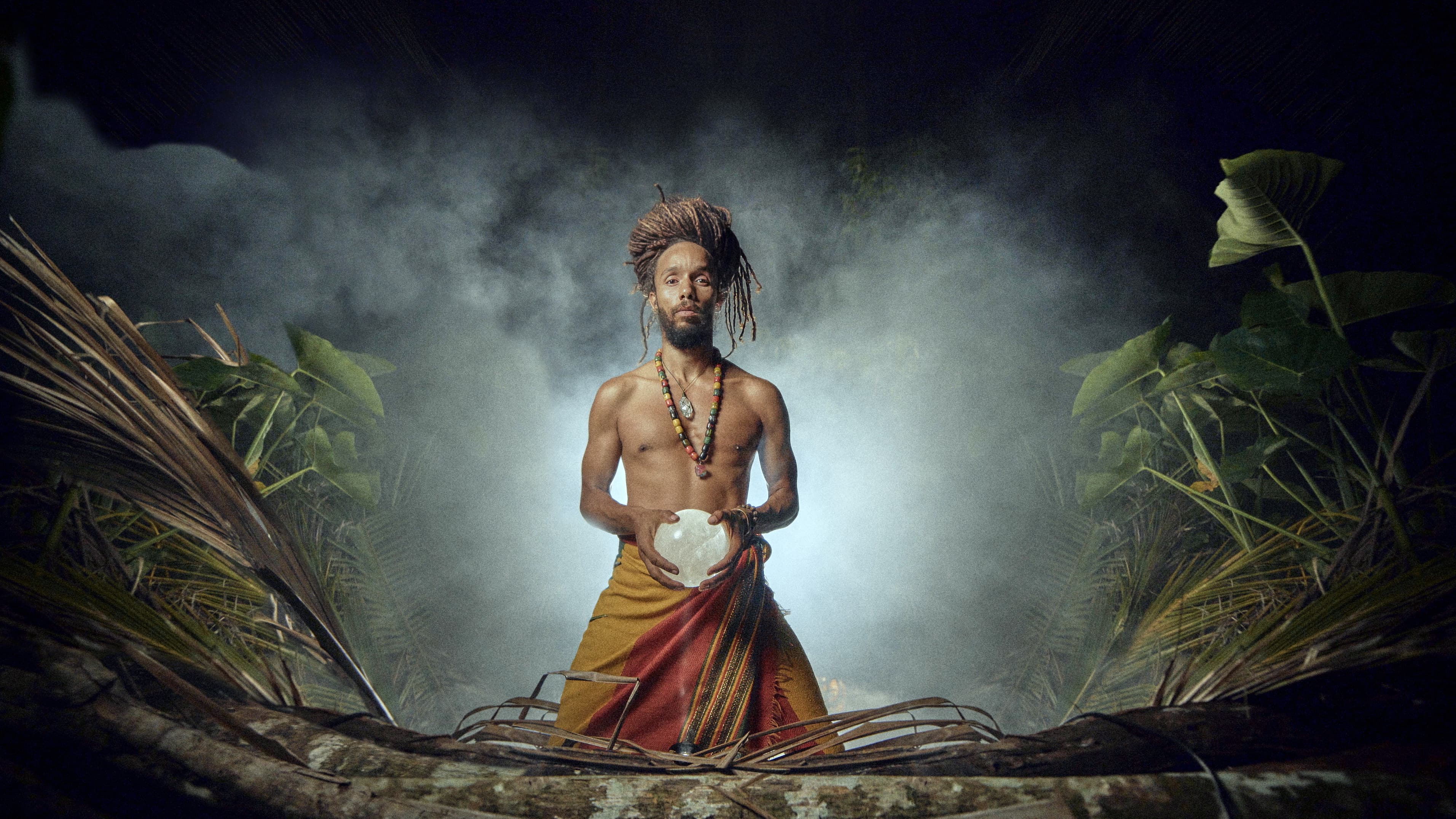
Untamed for a Reason: Tashinga and the Future Sound of Africa
As the sun dipped behind the mountains, Cape Town pulsed with an electric energy at the Everybody Loves Sundays event, led by the visionary DJ Tashinga. His blend of Afro Tech and culture redefines African nightlife, showcasing a movement where the continent's artists are not merely following global trends but forging their own path.
Continue reading